How PM2.5 Exposure Can Affect the Lungs
Clean air is essential for healthy breathing, but air pollution can introduce tiny particles into the air we breathe. One of the most concerning pollutants is PM2.5, which consists of fine particles measuring 2.5 micrometers or smaller.
Because of their extremely small size, PM2.5 particles can travel deep into the respiratory system. Regular or long-term exposure may irritate the lungs and contribute to respiratory problems. Understanding how PM2.5 affects the lungs can help people take practical steps to reduce exposure.
What Is PM2.5?
PM2.5 refers to particulate matter that is 2.5 micrometers in diameter or smaller. These particles are significantly smaller than dust particles that the human eye can easily see.
PM2.5 originates from multiple sources, such as:
Vehicle exhaust
Industrial emissions
Construction activities
Burning wood, coal, or waste
Wildfires and other fires
Cooking and indoor combustion
Tobacco smoke
Outdoor PM2.5 can also infiltrate homes, offices, schools, and other indoor areas.
How Does PM2.5 Enter the Lungs?
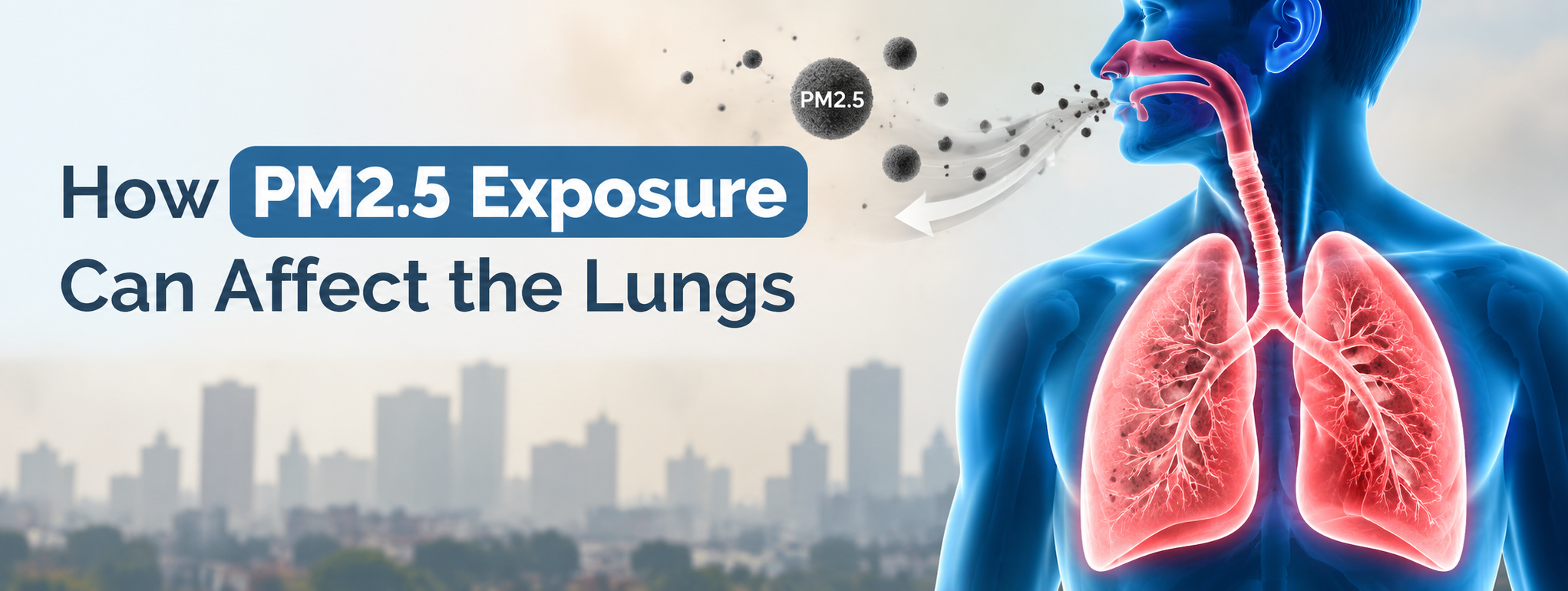
When we breathe, air travels through the nose or mouth, down the throat, and into the lungs. Larger particles may be trapped by the body's natural defenses, but very fine particles such as PM2.5 can travel deeper into the respiratory system.
Some particles can reach the small airways and areas of the lungs where oxygen exchange takes place. This is one reason PM2.5 is an important air-quality concern.
How PM2.5 Can Affect the Lungs
1. Irritation of the Airways
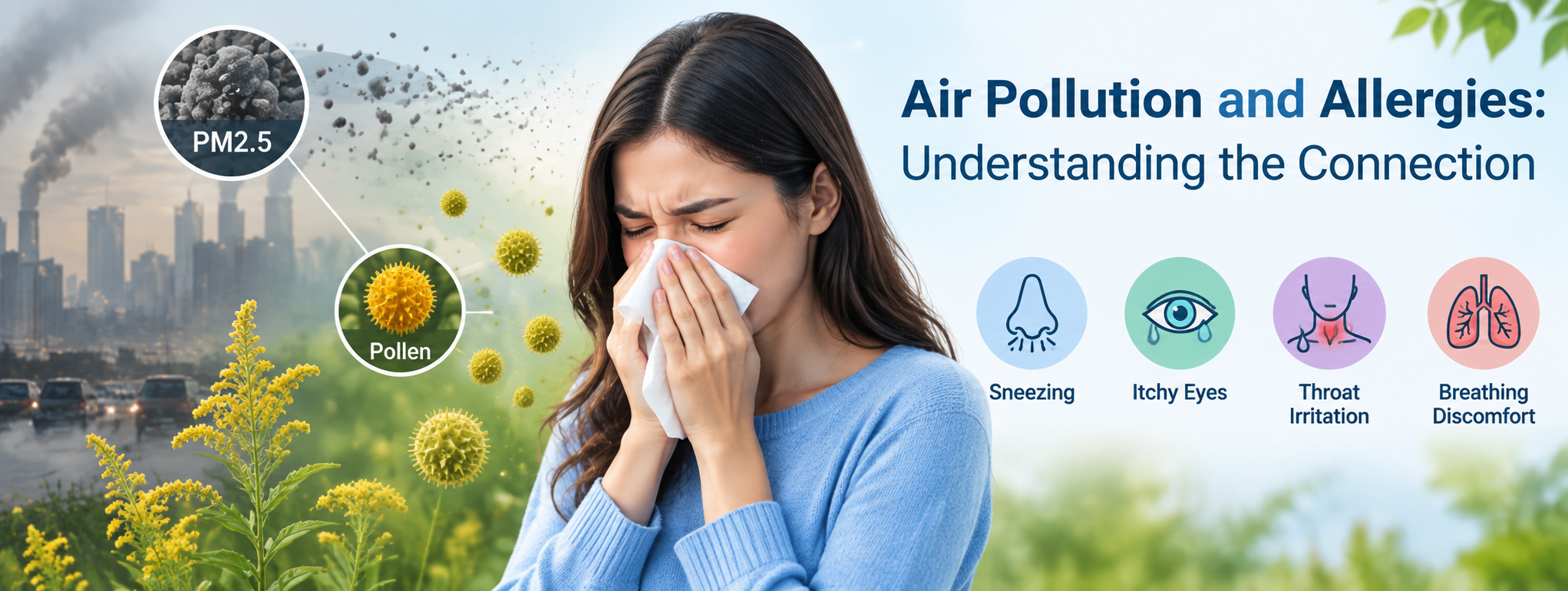
Breathing air containing high levels of PM2.5 can irritate the respiratory tract. Some people may experience symptoms such as coughing, throat irritation, wheezing, or breathing discomfort, particularly when pollution levels are high.
2. Inflammation
Fine particles can trigger inflammatory responses in the respiratory system. Repeated exposure may contribute to ongoing irritation and inflammation of the airways.
Inflammation can make the airways more sensitive and may make breathing more uncomfortable for some people.
3. Worsening of Respiratory Conditions
People with existing respiratory conditions, including asthma and chronic lung diseases, may be particularly sensitive to air pollution.
Exposure to particulate matter can contribute to worsening respiratory symptoms and may increase the need for medical care among some vulnerable individuals.
4. Effects on Lung Function
Long-term exposure to air pollution has been associated with changes in lung function. Continued exposure to fine particulate matter can be a concern because the lungs need clean air to function effectively.
Children are also an important consideration because their lungs are still developing.
Who May Be More Sensitive to PM2.5?
Although air pollution can affect anyone, some people may be more vulnerable. These include:
Children
Older adults
People with asthma
People with chronic respiratory conditions
People with cardiovascular conditions
Sensitivity can also vary depending on the level and duration of exposure.
Indoor PM2.5 Exposure
PM2.5 is not only an outdoor air-quality issue. Indoor activities can also produce fine particles.
Common indoor sources include cooking, burning candles or incense, tobacco smoke, and certain combustion appliances. Outdoor pollution can also enter buildings through open windows, doors, and ventilation systems.
Improving indoor air quality can therefore be an important part of reducing overall exposure.
How to Reduce PM2.5 Exposure
There are several simple ways to reduce exposure to fine particles.
Check Air Quality Level
Monitor the Air Quality Index (AQI) and local PM2.5 levels. When outdoor pollution is high, consider reducing prolonged or strenuous outdoor activities.
Reduce Indoor Pollution Sources
Avoid smoking indoors and limit activities that generate unnecessary smoke or particles. Using suitable ventilation while cooking can also help reduce indoor pollutants.
Use Effective Air Filtration
An appropriately sized air purifier with a HEPA filter can help remove airborne particles from indoor air. Keep the device maintained and replace filters according to the manufacturer's recommendations.
Improve Ventilation Carefully
Ventilation can help remove indoor pollutants, but opening windows during periods of high outdoor pollution may increase indoor PM2.5. Ventilate when outdoor air quality is suitable.
Keep Indoor Spaces Clean
Regular cleaning can help reduce accumulated dust and particles. Using cleaning methods that do not unnecessarily stir up dust can also help maintain cleaner indoor air.
Why Reducing PM2.5 Matters
The lungs are continuously exposed to the air around us. While the body has natural defenses against airborne particles, reducing unnecessary exposure to fine particulate matter can help support respiratory health.
Good air-quality habits are especially important during periods when pollution levels are elevated.
Conclusion
PM2.5 can travel deep into the lungs and contribute to airway irritation and inflammation. Short-term exposure to high levels may cause respiratory symptoms, while long-term exposure is associated with important respiratory and health concerns.
Checking AQI levels, reducing indoor pollution sources, maintaining good ventilation when outdoor air is clean, and using effective air filtration can help reduce exposure. Understanding PM2.5 is an important step toward creating cleaner and healthier indoor and outdoor environments.