Air Pollution and Allergies: Understanding the Connection
Air pollution is a growing environmental concern that can affect more than just breathing. It can also interact with allergens and contribute to allergy symptoms in some people. Pollutants such as PM2.5, PM10, ozone, nitrogen dioxide, and smoke can irritate the respiratory system and may make certain allergy symptoms more noticeable.
Understanding the connection between air pollution and allergies can help people take practical steps to reduce exposure and maintain better indoor and outdoor air quality.
What Are Allergies?
Allergies occur when the immune system reacts to substances that are usually harmless to most people. These substances are known as allergens.
- Common airborne allergens include:
- Pollen from trees, grasses, and weeds
- Dust mites
- Pet dander
- Mold spores
- Certain household particles
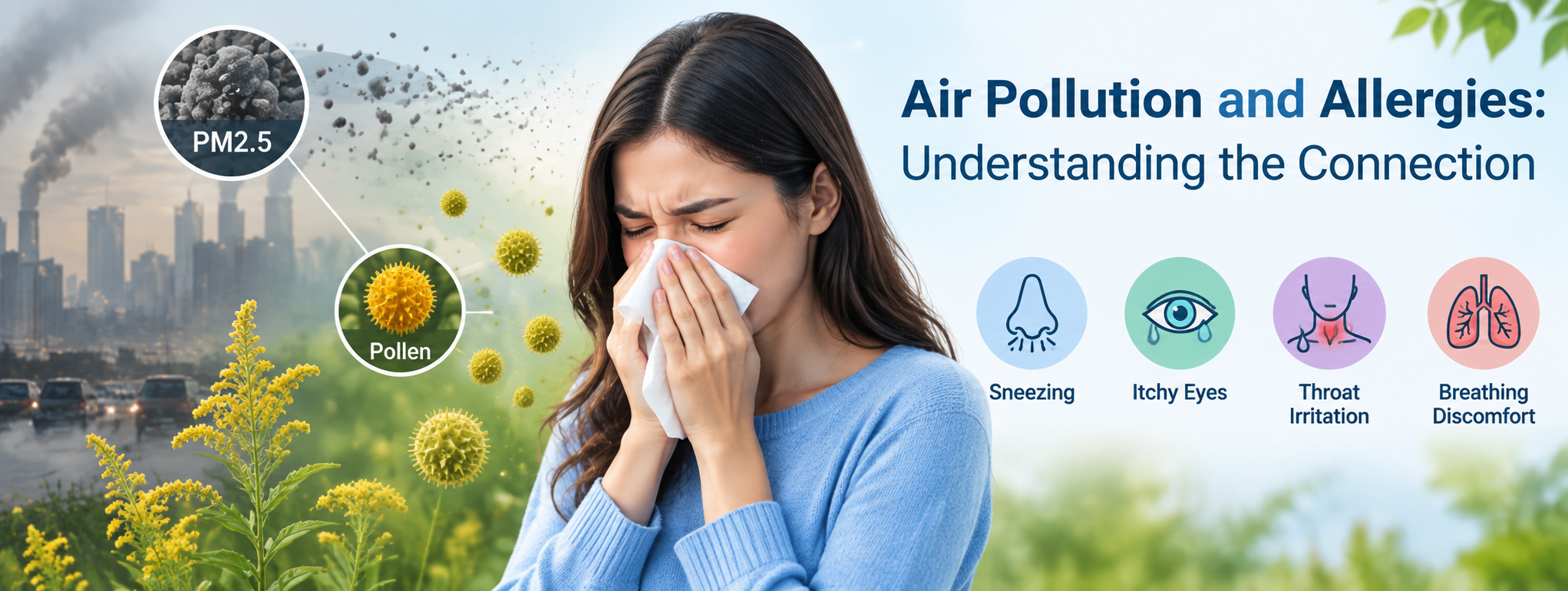
Allergic reactions can affect the nose, eyes, throat, skin, and respiratory system. Common symptoms include sneezing, a runny or blocked nose, itchy or watery eyes, coughing, and throat irritation.
What Is Air Pollution?
Air pollution takes place when harmful particles and gases are released into the atmosphere. This pollution can originate from both outdoor and indoor sources.
Common outdoor sources include:
Vehicle exhaust
Industrial emissions
Construction dust
Smoke from burning materials
Wildfires
Power plants
Indoor sources can include tobacco smoke, cooking fumes, cleaning products, candles, and poor ventilation.
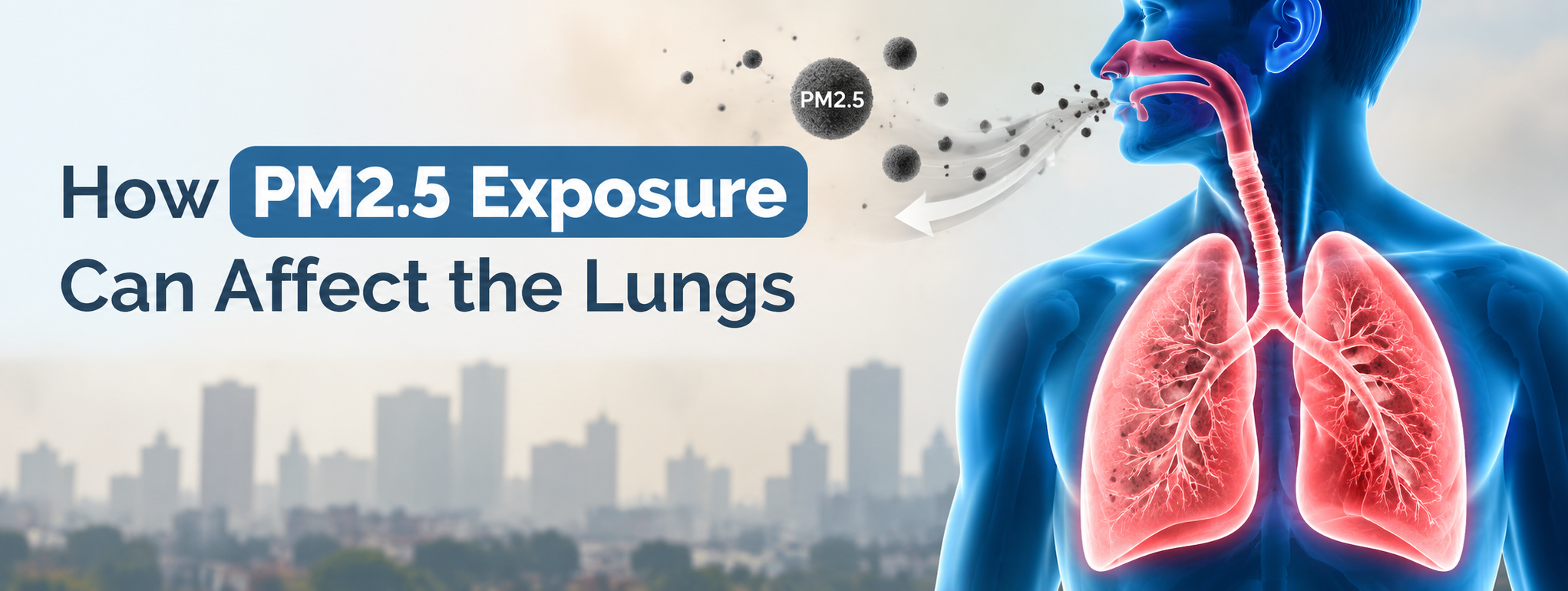
Fine particulate matter such as PM2.5 is particularly important because these tiny particles can travel deep into the respiratory system.
How Are Air Pollution and Allergies Connected?
Air pollution and allergies are different problems, but they can interact with each other.
Pollutants can irritate the airways and nasal passages, making them more sensitive. For people who already experience allergies, this irritation may make symptoms such as sneezing, coughing, congestion, and breathing discomfort worse.
Some pollutants may also affect the body's inflammatory response. This can create an environment in which the respiratory system reacts more strongly to airborne irritants and allergens.
1. Air Pollution Can Irritate the Airways
Polluted air can irritate the lining of the nose, throat, and lungs. Even people without allergies may experience coughing or throat irritation when pollution levels are high.
For people with allergies, this additional irritation can make existing symptoms more uncomfortable.
2. Pollution Can Increase Respiratory Sensitivity
Fine particles and gases can cause inflammation in the respiratory system. When the airways become irritated, they may become more sensitive to other airborne substances.
This can be especially relevant for people who are sensitive to pollen, dust, mold, or other allergens.
3. Pollen and Air Pollution Can Occur Together
Pollen is a major seasonal allergen. During pollen seasons, people who are allergic to pollen may experience symptoms such as sneezing, itchy eyes, and nasal congestion.
At the same time, outdoor air may contain traffic-related pollutants and particulate matter. The combination of allergens and air pollution can create additional irritation for sensitive individuals.
4. Indoor Air Quality Also Matters
Many people tend to view air pollution as an issue limited to the outdoors, yet the quality of the air inside buildings can also impact allergy symptoms.
Indoor allergens may include dust mites, pet dander, and mold spores. Indoor pollution from cooking, smoking, cleaning products, and other sources can add further irritation.
Keeping indoor spaces clean, dry, and properly ventilated can help reduce exposure to both allergens and pollutants.
Who May Be More Sensitive?
Air pollution impacts everyone, but certain individuals might be more vulnerable to its harmful effects.
People with seasonal allergies
People with asthma
Children
Older adults
People with existing respiratory conditions
Sensitivity can vary from person to person and may depend on the type and concentration of pollutants, exposure time, and individual health factors.
Common Symptoms to Watch For
Exposure to allergens and polluted air may be associated with symptoms such as:
Sneezing
Runny or blocked nose
Itchy or watery eyes
Coughing
Throat irritation
Wheezing
Breathing discomfort
Air pollution affects us all, but some people may be at greater risk of experiencing its negative consequences.
How to Reduce Exposure to Air Pollution and Allergens
There are several simple ways to reduce exposure.
Check the AQI and Pollen Levels
Before spending extended time outdoors, check local Air Quality Index (AQI) information and, when available, pollen forecasts. Consider limiting prolonged outdoor activity when pollution or pollen levels are particularly high.
Keep Indoor Air Clean
Routine cleaning can effectively manage dust and various indoor allergens. Avoid smoking indoors and reduce activities that produce unnecessary smoke or airborne particles.
Improve Ventilation Carefully
Fresh outdoor air can improve indoor air quality when outdoor pollution levels are low. However, opening windows during periods of high outdoor pollution or heavy pollen may increase indoor exposure.
Use Air Filtration
An appropriately sized air purifier with effective particle filtration, such as a HEPA filter, can help reduce airborne particles indoors. Regular filter maintenance is important for effective operation.
Control Moisture
Mold thrives in moist conditions and can release spores into the air, which can be harmful. To minimize mold exposure, it's important to repair any leaks, manage humidity levels, and ensure that bathrooms and other humid areas stay dry. Taking these steps can significantly help in reducing the presence of mold in your environment.
Can Air Purifiers Help With Allergens?
Air purifiers can help reduce certain airborne particles, including some pollen, dust, pet dander, and fine particulate matter, depending on the filtration technology used.
A HEPA filter is engineered to trap tiny particles that are suspended in the air.However, air purifiers should be considered part of an overall indoor air-quality strategy rather than a replacement for controlling pollution and allergen sources.
Conclusion
Air pollution and allergies can interact in ways that may increase respiratory irritation and make symptoms more uncomfortable for some people. Pollutants such as PM2.5, ozone, and nitrogen dioxide can irritate the respiratory system, while allergens such as pollen, dust mites, pet dander, and mold can trigger allergic reactions.
Monitoring AQI and pollen levels, reducing indoor pollution sources, controlling moisture, maintaining good ventilation when conditions allow, and using effective air filtration can help reduce exposure.
Understanding the connection between air pollution and allergies is an important step toward creating cleaner indoor environments and making informed choices about outdoor activities.